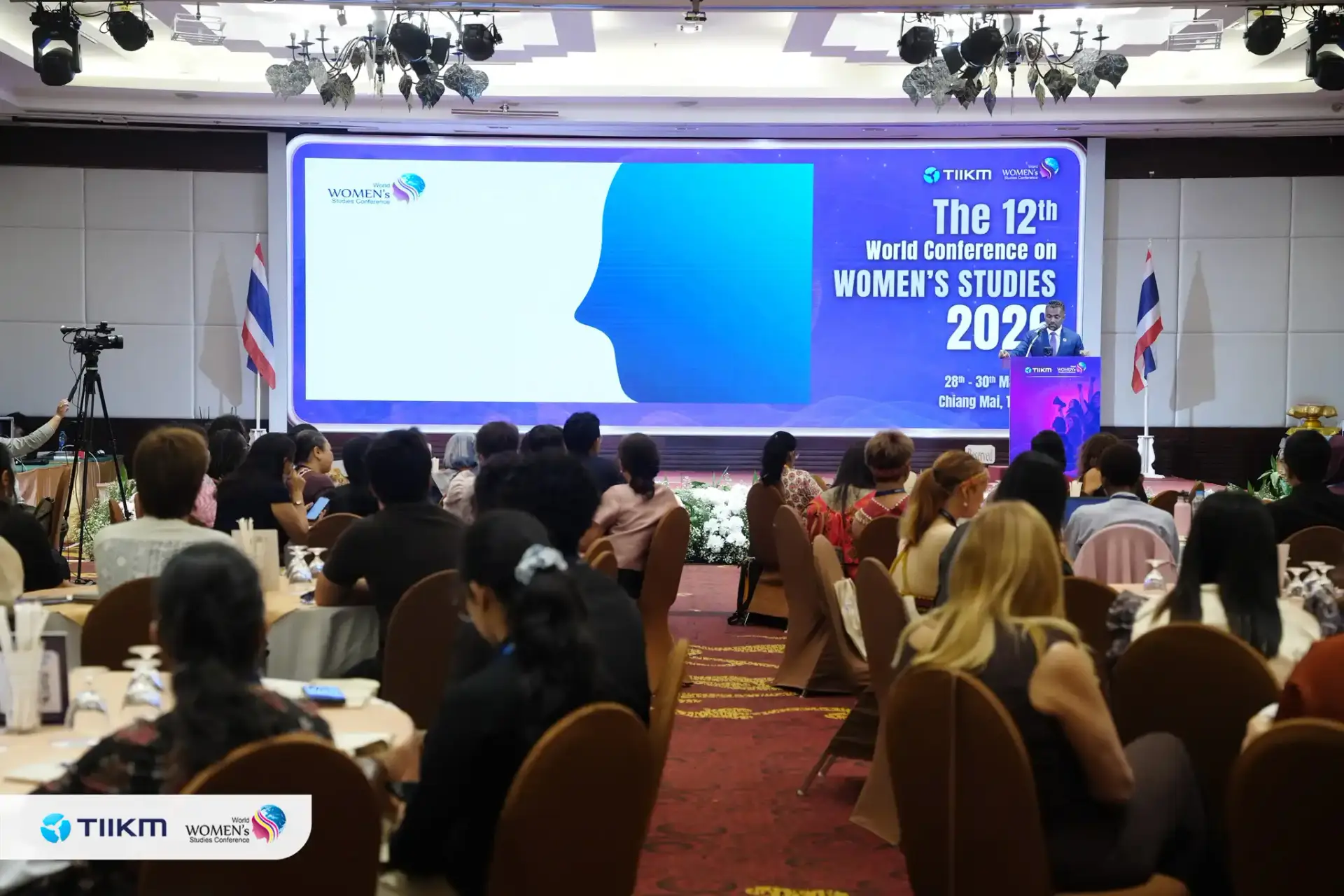
The women’s studies conference 2027, The 13th World Conference on Women’s Studies (WCWS 2027), takes place on 26-28 May 2027 in Siem Reap, Cambodia. The theme is “Striving for Gender Justice through Women’s Studies Scholar-Activism.” Here is what sets WCWS 2027 apart.
Gender justice is the ongoing effort to achieve fair and equitable treatment of people of all genders in social, economic, political, and legal life. It asks who has access to education, work, and healthcare, and who has a voice in decisions, while recognizing that gender overlaps with class, race, disability, and sexuality. That is why this year’s theme pairs it with scholar-activism. WCWS brings together universities, civil society, research institutes, and community organizations to take on questions that cannot wait, from the uneven impact of climate change to safety online and fair access to work and leadership. So, weave theory into your analysis, and ask what could change because of your findings, and who needs to be part of that change.
WCWS sits inside the TIIKM knowledge ecosystem: a connected network where knowledge travels from idea to impact instead of stopping when the last session ends. Four pillars hold it together, and each one connects with the others.
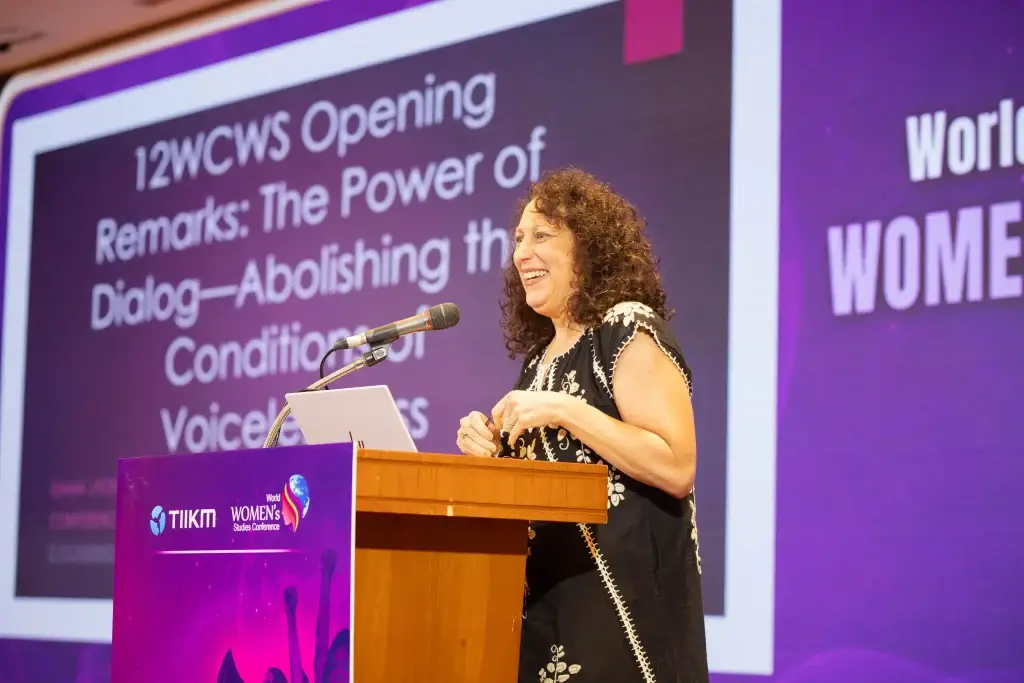
Abstracts fall under nine tracks, from Women, Spirituality and Religion to Digital Futures, Climate Action, and Women’s Rights: Transforming Systems of Structural Violence. Global South Feminisms & Decolonial Perspectives has a track of its own.
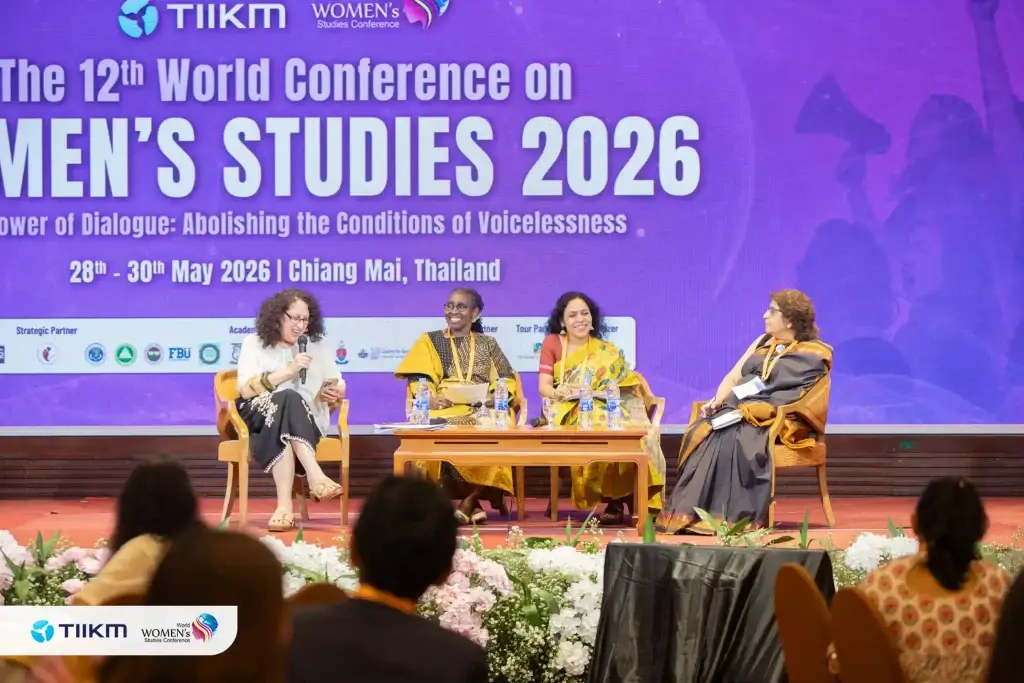
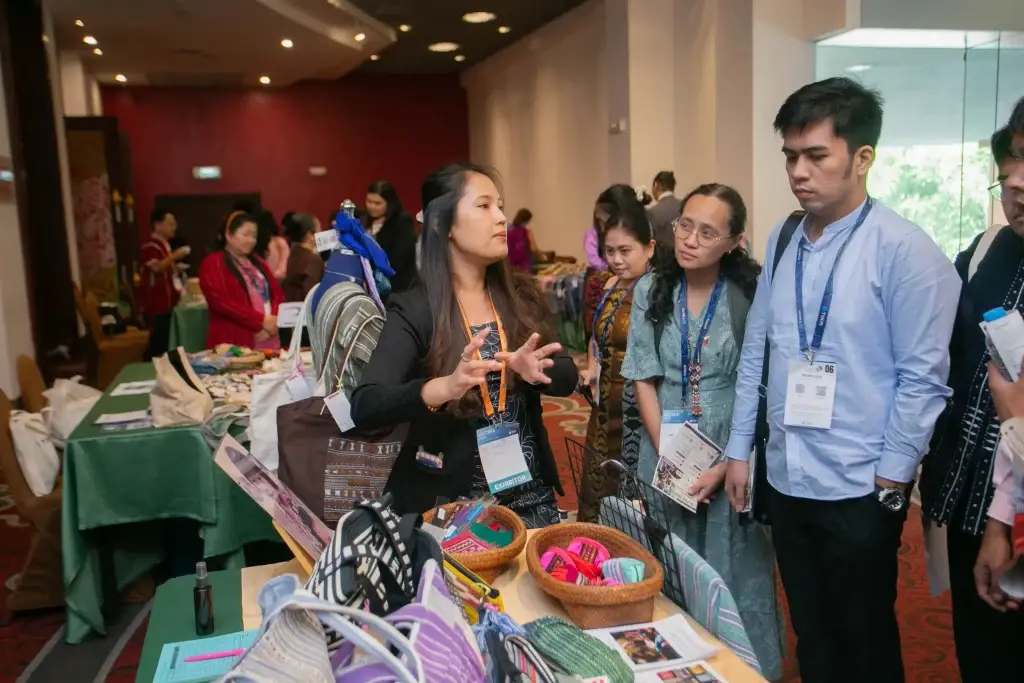
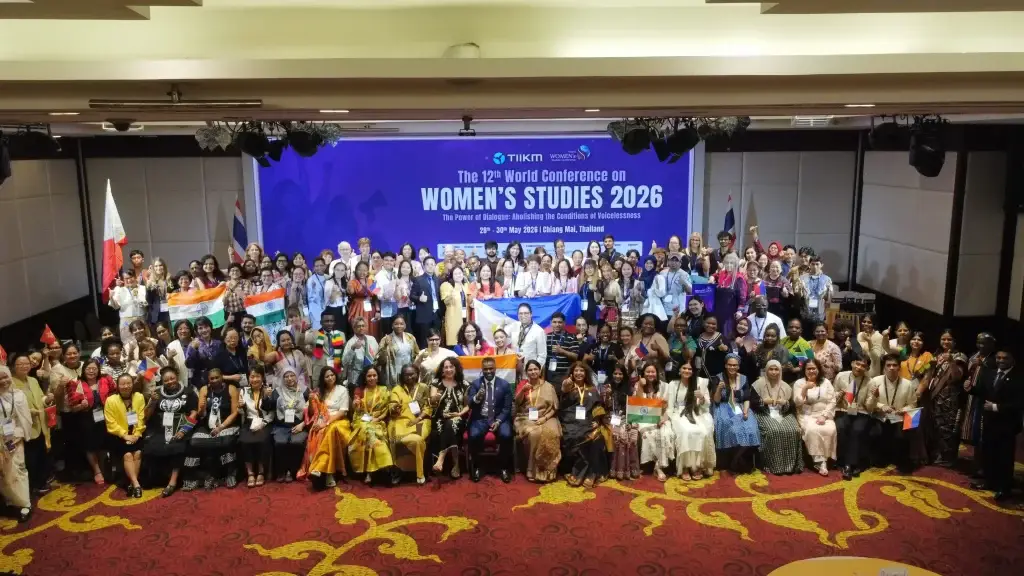
The conference aims to raise Global South and intersectional perspectives in academic and policy conversations. Knowledge flows in every direction here: Global South to Global South, and Global South to the wider world. Academics sit beside grassroots organizers, policymakers, NGO staff, women’s rights lawyers, media professionals, and students.
Presenters are encouraged to link their work to the Sustainable Development Goals. SDG 5, 10, 16, and 17 are natural starting points, but gender justice runs through all seventeen goals. Poverty, health, education, work, climate, and peace all look different when we ask who is included and who is left out. Whatever your topic, there is an SDG conversation your research can join.
Here is something an ordinary conference does not offer. Through TIIKM Global Forest, every participant receives a digital certificate recognizing a tree planted, or scheduled to be planted, in their name. The idea is simple: One Participant. One Tree. One Shared Future.
It is a forest without borders. The trees will not stand side by side, but they share a purpose: mangrove restoration along coasts, fruit trees that strengthen village food systems, and school grounds where young people learn to care for nature. Healthy, growing trees can capture and store carbon over time while supporting biodiversity and local communities.
We are careful about what we claim. One tree does not offset your flight. What it offers is a living legacy of your participation, tying knowledge exchange to local environmental action.
Your work does not end with your presentation. WCWS 2027 is built so that what you share here keeps working.
The call for papers for women’s studies is an invitation to scholars, researchers, activists, practitioners, and students. Whether your work sits in gender and development, intersectionality, digital justice, climate, or structural violence, we want to hear what you found and what you think should change.
Choose your track, write a clear abstract, and link your findings to action. Then submit your abstract for the women’s studies conference through the website below. Early-career researchers are especially welcome.
Submit your abstract via: https://conference.tiikm.lk/external-user/participant/register/conf-9StxpBZX8f
Most conferences end when the last session does. WCWS 2027 is built around what happens next: the partnerships, the publications, the policy conversations, and a tree growing somewhere because you came.
If your research belongs in that conversation, contribute it and join us in Siem Reap.
Visit the website: womenstudies.tiikm.com
Share this post: